


ABOUT THE FACULTY
MANAGEMENT


Presentation
Established in 1948, over more than 60 years of activity, the Faculty has trained more than 5,000 animal science engineers who, through their professional activity, both at the management level of livestock production units and in the field of scientific research, have contributed and continue to contribute to the economic and social development of the country.
Strongly anchored in the realities of each stage it has gone through, the Faculty has placed quality at the forefront of its activities, imposing new requirements and standards on the educational process. Today, the Faculty of Engineering and Management in Animal Production is recognized both nationally and internationally, benefiting from a rich intellectual potential and a well-developed infrastructure dedicated to teaching, scientific research and ensuring appropriate social conditions.
The Faculty of Engineering and Management in Animal Production within the University of Agronomic Sciences and Veterinary Medicine of Bucharest has the following missions and objectives:
- training highly qualified specialists in the undergraduate fields of study: Animal Science (study programme: “Animal Science”), Food Engineering (study programmes: “Technology of Agricultural Products Processing”, “Consumer and Environmental Protection” and “Control and Expertise of Food Products”), Applied Engineering Sciences (Gastronomic Sciences);
- advanced qualification of specialists through master's and doctoral university studies;
- continuing education in order to meet the demand for specialists in animal science and the food industry;
- development and modernization of the Faculty and of the existing study programmes; establishment of new undergraduate and master's degree programmes compatible with European structures;
- increasing the Faculty's compatibility with the integration of higher education in animal science and food industry into European structures;
- improving the framework for organizing studies through educational programmes (modularization of study programme content and their assessment in terms of transferable credits), teaching methods and assessment criteria;
- correlating the structure of study programmes with the dynamics of the activities in which graduates of the Faculty will work, in order to facilitate their rapid adaptation to the conditions of future workplaces;
- promoting fundamental and applied scientific research activities in laboratories, research centres and specialized departments of the Faculty, in accordance with the strategy and priorities defined at local, regional, national and European levels;
- publishing materials through which the academic community is properly informed about the capacities and performance of their use (books, textbooks, scientific journals, admission guides, catalogues, reports, balance sheets);
- expanding national and international cooperation relations in the field of higher education, as well as in the field of university scientific research;
- maintaining and increasing the scientific and cultural-educational prestige of the Faculty.
Higher education provided by the Faculty of Engineering and Management in Animal Production is organized into the three cycles of university studies, namely:
Bachelor's degree studies (4 years) – full-time education
Field: Animal Science
Study programme:
• Animal Science
Field: Food Engineering
Study programmes:
• Technology of Agricultural Products Processing
• Consumer and Environmental Protection
• Control and Expertise of Food Products
Field: Applied Engineering Sciences
Study programme:
• Gastronomic Sciences
Master's degree studies (2 years) - full-time education:
Field: Animal Science
Study programme:
• Entrepreneurship in Animal Production
Field: Food Engineering
Study programmes:
• Special Technologies in the Food Industry
• Food Product Biosafety
• Expertise of Agri-Food Products
• Food Safety and Biosecurity (taught in English)
Doctoral university studies
Field: “Animal Science”
Scientific supervisors:
Prof. Călin Ion, PhD
Prof. habil. Ioan Custură, PhD
Prof. Dumitru Drăgotoiu, PhD
Prof. Horia Grosu, PhD
Prof. habil. Monica Paula Marin, PhD
Prof. Gheorghe Emil Mărginean, PhD
Prof. habil. Carmen Georgeta Nicolae, PhD
Assoc. Prof. habil. Marius Laurian Maftei, PhD
Assoc. Prof. habil. Răzvan Alexandru Popa, PhD
Assoc. Prof. Ion Răducuță, PhD
Prof. Paul Rodian Tăpăloagă, PhD
Prof. habil. Minodora Tudorache, PhD
Prof. habil. Livia Vidu, PhD
Field: “Food Engineering”
Scientific supervisors:
Prof. habil. Gratziela Victoria Bahaciu, PhD
Prof. habil. Elena Narcisa Pogurschi, PhD
Prof. habil. Dana Cătălina Popa, PhD
Prof. habil. Teodor Trașcă, PhD
Material resources of the Faculty of Engineering and Management in Animal Production
For the professional training of students, the Faculty of Engineering and Management in Animal Production provides an appropriate material infrastructure, consisting of lecture halls equipped with multimedia equipment and rooms for laboratory work and research, equipped with the necessary instruments for practical applications and for learning scientific analysis techniques and methods.
The level of equipment in teaching and research laboratories meets the quantitative and qualitative requirements corresponding to the minimum standards and is correlated with the course descriptions included in the educational programme.
The teaching rooms are equipped with technical learning, teaching and communication equipment that facilitates the activity of teaching staff and student engagement. The teaching laboratories of the various disciplines are equipped with the instruments and educational-scientific resources necessary to conduct practical activities in accordance with current requirements for modern education, including disciplines that require the use of computers. The Faculty has licensed software used for educational purposes.
Research facilities consist of teaching laboratories designed to allow both teaching activities and activities specific to scientific research.
The Faculty of Engineering and Management in Animal Production currently has a research centre, used for teaching and research purposes, as well as for student practical training.
Student accommodation is provided in the dormitories located on the U.S.A.M.V.B. university campus, while also offering students facilities for studying (reading rooms, internet rooms) and leisure activities.
Click here to enter the Faculty's virtual tour!
Collaborators
History
Throughout its existence, the Faculty of Animal Science in Bucharest has undergone a series of restructuring processes, which makes it possible to distinguish several periods, as follows:
Starting with the 2007–2008 academic year, two additional specializations were authorized, namely: “Design and Development of Animal Farms” and “Special Technologies in the Food Industry”, both with a duration of 3 semesters. In the 2011–2012 academic year, training in the “Sustainable Systems in Animal Production” specialization was discontinued. In the same year, the “Food Products Biosafety” specialization was authorized, with a duration of 4 semesters, the final semester being dedicated to practical training and scientific research activities. In the 2015–2016 academic year, the “Design and Development of Animal Farms” specialization was replaced by the “Entrepreneurship in Animal Production” specialization.
In the 2018–2019 academic year, the “Food Safety and Biosecurity” specialization was established, with instruction in English. These Master’s degree programs have been and continue to be organized exclusively as full-time programs.
In the 2023–2024 academic year, a new undergraduate study program, “Gastronomic Sciences”, was introduced, with a duration of 4 years, organized as a full-time program.
Period 1948–1952, during which the Faculty of Animal Science operated as an independent unit within the Institute of Animal Science and Veterinary Medicine. By Decree-Law No. 175 of the Great National Assembly concerning the “Reform of Education”, published in the Official Gazette on August 3, 1948, the “Institute of Animal Science and Veterinary Medicine” in Bucharest was established under the organizational authority of the Ministry of Agriculture, comprising three faculties: the Faculty of Animal Science, established by this Decree, the Faculty of Veterinary Medicine (which had existed since the interwar period), transferred from the University of Bucharest, and the newly established Faculty of Fisheries, based in Constanța.
With the approval of the Ministry of Education, the Faculty of Animal Science in Bucharest began its activity in the 1948/1949 academic year with the first two years of study. An admission examination was organized for the first year, while graduates of the first year from other faculties in Bucharest or from other university centers were admitted directly into the second year. In the first half of November 1948, the first admission examination to a higher education institution specializing in animal science in our country took place. The Faculty of Animal Science in Bucharest was tasked with training specialists with higher education in the field of breeding, improvement and exploitation of domestic farm animals, with graduates receiving the title of “Animal Science Engineer” after passing the State Examination.
The duration of studies for students admitted to the faculty in the 1948/1949 academic year, both in the first and second year, was three years (6 semesters). For cohorts admitted in the 1949/1950 and 1950/1951 academic years, the duration of studies was extended to 3.5 years (7 semesters), while for the 1951/1952 cohort it was extended to 4 years (8 semesters), with the final semester dedicated to practical training in production units.
During the 1948–1952 period, the Faculty of Animal Science in Bucharest operated exclusively as a full-time program. During this period, 623 students were admitted to the faculty, 63 of whom were admitted directly into the second year, and 127 students graduated. Due to its specific nature, higher education in animal science is closely connected to practical training and cannot be carried out independently of the realities of production units. Consequently, from the first year following its establishment, a significant part of the study time was devoted to practical training. In general, the proportion of hours allocated to practical applications and seminars was approximately equal to that allocated to lectures. In addition, annual supervised practical training periods, coordinated by teaching staff, were carried out in animal production units.
Period 1952–1957, during which the Faculty of Animal Science operated as an independent unit within the “Nicolae Bălcescu” Agronomic Institute. In the autumn of 1952, the first reorganization of the higher education institutions established under Decree-Law No. 175/1948 took place. Under this new organization, the Institute of Animal Science and Veterinary Medicine merged with the Agronomic Institute, also established in 1948 under the same Decree-Law, into a single higher agricultural education institution in Bucharest, named the “Nicolae Bălcescu” Agronomic Institute. Only two of the three faculties of the Institute of Animal Science and Veterinary Medicine became part of the new institute, namely the Faculty of Animal Science and the Faculty of Veterinary Medicine. Through this reorganization, the Faculty of Fisheries was transferred to the Institute of Naval Engineering and Fisheries in Galați. As an independent faculty within the “Nicolae Bălcescu” Agronomic Institute, the Faculty of Animal Science operated for five academic years, offering both full-time and part-time courses.
As an independent faculty within the “Nicolae Bălcescu” Agronomic Institute, the Faculty of Animal Science operated for five academic years, offering both full-time and part-time courses. The part-time courses were established in the 1952/1953 academic year, with a duration of 5 years, for employees with secondary education working in animal production units.
During the 1952–1957 period, 1,430 students were admitted to the faculty, of whom 566 attended full-time courses and 864 attended part-time courses. A total of 389 full-time students graduated from the faculty and received the title of “Animal Science Engineer”, of whom 310 had been admitted during the previous period and 79 during the current period.
Period 1957–1962, during which, following the reorganization of the “Nicolae Bălcescu” Agronomic Institute, the Faculty of Animal Science merged with the Faculty of Agronomy, the two faculties operating as independent sections within the “Faculty of Agriculture and Animal Science”.
Starting with the 1957/1958 cohort, the duration of training was again set at 5 years (10 semesters).
During the 1957–1962 period, 511 students were admitted to the Animal Science Section, of whom 355 attended full-time education and 156 attended part-time education. During the same period, 400 students graduated from the faculty and received the Animal Science Engineer diploma, of whom 285 graduated from full-time courses and 115 from part-time courses.
Period 1962–1968, during which the Animal Science Section within the Faculty of Agriculture and Animal Science was discontinued as a result of the removal of the Animal Science specialization from the list of specializations offered through higher education.
The discontinuation of the Animal Science Section in 1962 took place without a thorough analysis of the contribution made by the more than 3,000 animal science engineers trained between 1948 and 1962 in the three Faculties of Animal Science in the country to the development of the animal production sector, both in state agricultural units and in cooperative units, as well as of the need for highly educated specialists in this sector.
During this period, several events took place that influenced the subsequent development of higher education in animal science in our country. As expected, various views, both in favor of and against the independence of university-level training for specialists in the animal production sector, continued to be expressed in the press (Gheție Vasile, Paștea Eugeniu, Drăgănescu Condrea and others) and at various scientific meetings. In 1963, the F.A.O. organized the first “World Conference on Animal Production” in Rome. The discussions also addressed the issue of training specialists to work in the field of animal science. Consequently, it was decided that the F.A.O. would organize two conferences dedicated to higher education profiles in the field of animal production: one conference for veterinary medicine education and another for animal science education. The conference on veterinary medicine education took place in Copenhagen in 1965. The conference on animal science education was organized in July 1966 in Göttingen (Federal Republic of Germany). Delegates from 27 countries and observers from 10 countries participated in this conference. The discussions based on the Report of the F.A.O. expert group, as well as on the papers presented by representatives of the participating countries, highlighted the need to provide independent higher education for specialists in the animal science sector.
In April 1968, the education system at all levels in our country, organized under the provisions of Decree-Law No. 175/1948, was analyzed, and it was concluded that “Following the analyses and discussions that have taken place in recent years, an appropriate structure for higher agricultural education has been achieved, while further improvement of the content of student training is necessary. In order to complete the training profile in this field, the Animal Science specialization, with a duration of 5 years, will be established.”
Period 1968–2000, during which, following the reintroduction of the specialization into the official nomenclature, the Faculty of Animal Science was re-established and operated as an independent unit within the “Nicolae Bălcescu” Agronomic Institute, which was reorganized in 1994 as the University of Agronomic Sciences and Veterinary Medicine.
Consequently, in 1968, Law No. 11, the “Education Law”, was adopted, replacing Decree-Law No. 175 of 1948, whose validity thereby ceased. In the nomenclature of specializations developed by the Ministry of Education, in accordance with the provisions of Article 127 of Law No. 11, the Animal Science specialization was included within higher agricultural education. As a result, the Faculties of Animal Science were re-established in the three university centers where they had operated until 1962, and a Faculty of Animal Science was established in Cluj-Napoca. The re-establishment of the Faculties of Animal Science was also driven by the fact that the specialization, concentration, modernization and diversification of agricultural production, particularly animal production, required an increasingly specialized workforce with higher education in the field of animal science.
During this period, the Faculty of Animal Science in Bucharest operated as an independent educational unit, except for three academic years (1986/1987, 1987/1988 and 1988/1989), when the Faculty of Animal Science was merged with the Faculty of Veterinary Medicine into a single faculty, the “Faculty of Veterinary Medicine and Animal Science”, with two independent sections corresponding to the two former faculties.
In the 1994–1995 academic year, postgraduate education for graduates of the Faculty of Animal Science was resumed in the form of “Advanced Studies”, with a duration of one academic year, in the following fields: Genetics and Animal Breeding; Reproductive Biotechnologies and Biotechnology Techniques; Animal Nutrition; Milk Production, Processing and Marketing; Meat Production, Processing and Marketing. Each year, these Advanced Studies were organized in two or three of the five fields mentioned above. These advanced study programs were organized until the 2000–2001 academic year, when they were replaced by Master’s degree programs. Each field of study had a program based on a curriculum comprising 5–7 advanced study topics. As was also the case with specialization courses, teaching activities were provided by the faculty’s teaching staff and occasionally by Scientific Researchers, Grades I or II, from research institutes or stations of the Academy of Agricultural and Forestry Sciences.
Period 2000–present, characterized by the diversification of the faculty’s activities through the organization of new specialized sections, as well as by the implementation of the provisions of the Bologna Declaration.
This period represents a stage of diversification in student training within the Faculty of Animal Science in Bucharest through the introduction of new specializations. Thus, in addition to the Animal Science specialization, in 2000 the “Animal Production Technology” specialization was authorized, becoming accredited in 2005 under the name “Agricultural Products Processing Technology”. In 2003, the “Fisheries, Aquaculture and Fish Processing” specialization was authorized and subsequently accredited under the name “Fisheries and Aquaculture”. In 2006, the Hunting Management specialization was accredited, while in 2017 the “Consumer Protection and Environmental Protection” specialization was authorized.
During this period, the Faculty of Animal Science also began implementing the action lines of the Bologna Process, namely organizing the educational process by adapting it to the new requirements of the market economy and to the political, economic and social changes that occurred in the economy in general and in agriculture in particular.
In 2017, the Faculty of Animal Science changed its name to the Faculty of Animal Productions Engineering and Management.
In the 2000–2001 academic year, as a result of the implementation of the decisions of the Bologna Process, Advanced Studies were replaced by “Master’s Courses” (Master’s degree programs), considered the second cycle of university education. Depending on the specialization, Master’s degree programs have a duration of 1.5–2 academic years (three or four semesters), corresponding to 90 or 120 transferable credits. Each semester consists of 14 weeks of lectures and practical activities. The weekly workload is set at 14 hours, with activities organized over two days, usually Friday and Saturday. Master’s degree programs began in 2000 with a single specialization called “Sustainable Systems in Animal Production”, with a duration of 4 semesters.
Starting with the 2007–2008 academic year, two additional specializations were authorized, namely: “Design and Development of Animal Farms” and “Special Technologies in the Food Industry”, both with a duration of 3 semesters. In the 2011–2012 academic year, training in the “Sustainable Systems in Animal Production” specialization was discontinued. In the same year, the “Food Products Biosafety” specialization was authorized, with a duration of 4 semesters, the final semester being dedicated to practical training and scientific research activities. In the 2015–2016 academic year, the “Design and Development of Animal Farms” specialization was replaced by the “Entrepreneurship in Animal Production” specialization. In the 2018–2019 academic year, the “Food Safety and Biosecurity” specialization was established, with instruction in English. These Master’s degree programs have been and continue to be organized exclusively as full-time programs.
Organization
Academic Staff
PRODUCTION AND PROCESSING TECHNOLOGIES
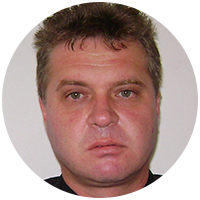
Department director |
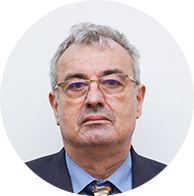
Member |
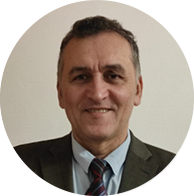
Member |

Member |
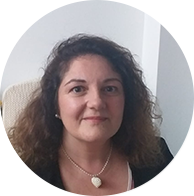
Member |

Prof. Univ. Dr. Abil. Teodor TRAȘCĂ
Member |
Member |

Member |

Member |
Member |
Member |

Member |

Member |
Member |

Member |
Member |

Member |
Member |
Member |
Member |
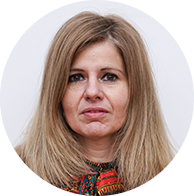
Member |
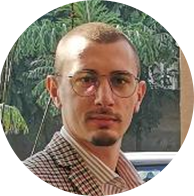
Member |

Member |

Member |

Member |

Member |

Member |

Member |

Member |
Asist. univ. drd. Mariana LUCA
Member |

Asist. univ. drd. Raluca Anamaria DRIDEANU
Member |
Asist. univ. drd. Maria LĂPĂDAT
Member |
Asist. univ. drd. Iulia NICODIM
Member |
FORMATIVE SCIENCES IN ANIMAL BREEDING AND FOOD INDUSTRY

Member |
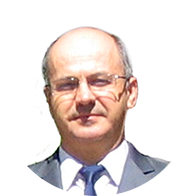
Member |
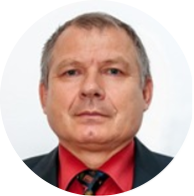
Member |
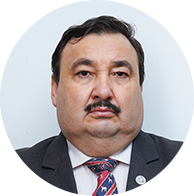
Member |
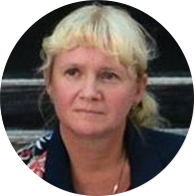
Member |

Department director |
Member |
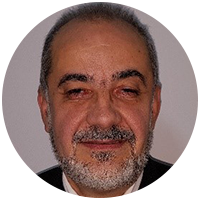
Member |
Member |
Member |

Member |

Member |

Member |
Member |
Member |

Member |

Member |

Member |
Member |

Member |

Member |

Member |

Member |

Member |
Member |
Member |

Member |
|
Asist. univ. drd. Aida BENGEA
Member |
||
MODERN LANGUAGES
Department director |
Conf. Univ. Dr. Suzana CISMAS
Member |

Conf. Univ. Dr. Elena NISTOR
Member |
|
Conf. Univ. Dr. Valeriu MARINESCU
Member |
Member |
Member |
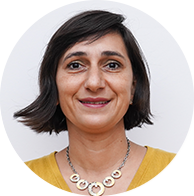
Member |
Member |
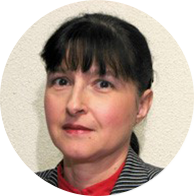
Member |

Member |

Member |

Member |
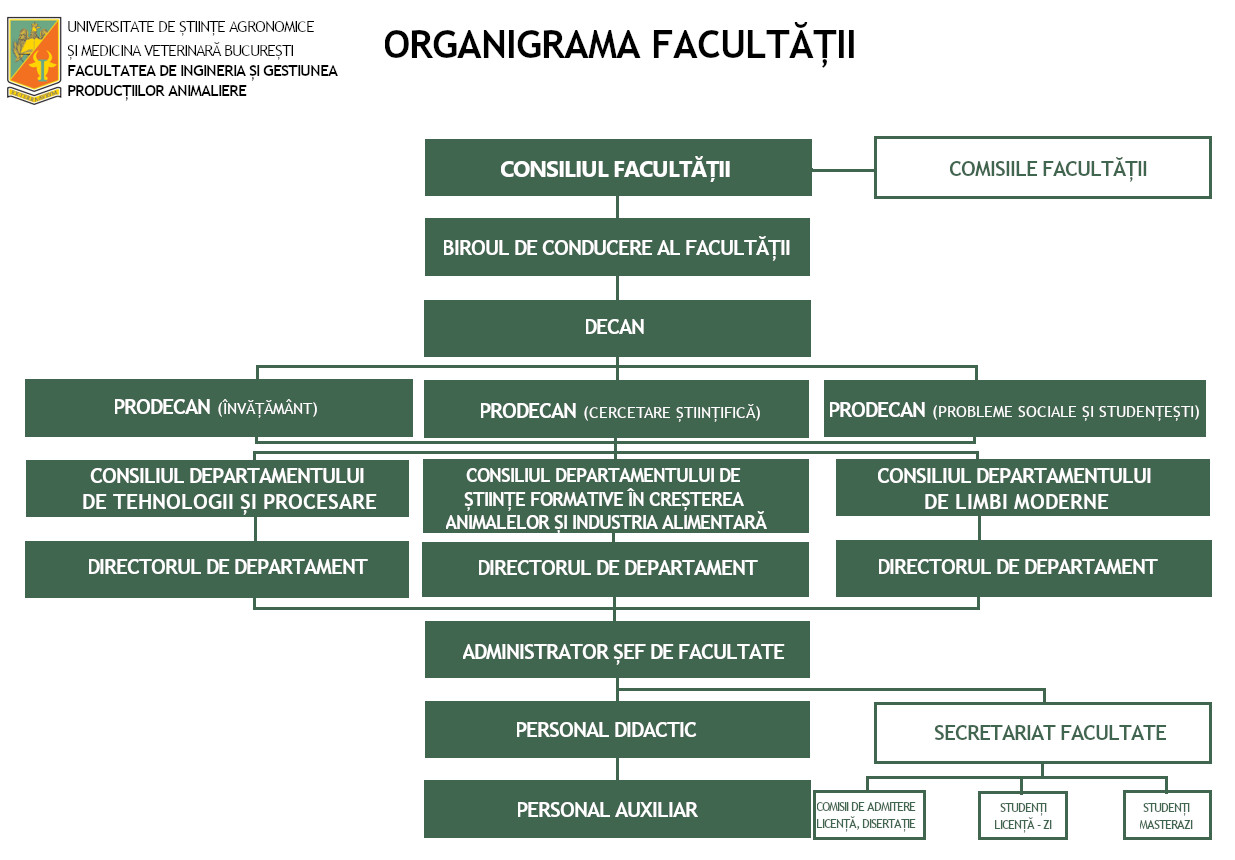
Staff
Dean
Prof. univ. dr. Gheorghe Emil MĂRGINEAN
|
Vice-Dean |
Vice-Dean |
Vice-Dean |
DEPARTMENTS
|
Formative sciences in animal breeding
Department director |
Production and processing
Department director |
Limbi
Department director |
Faculty Council
Dean
Prof. univ. dr. Gheorghe Emil MĂRGINEAN
Associate Deans
|
Vice-Dean |
Vice-Dean |
Vice-Dean |
DEPARTMENT HEADS
|
Departament director |
Departament director |
Departament director "Modern languages" |
MEMBERS
|
Member |
Member |
Member |
Member |
|
Member |
Member |
Member |
Member |
|
Member |
Member |
Member |
|
STUDENTS
|
Student |
Student |
Student |
Student |
|
Student |
Student |
Department councils
Members of the Council of the Department of Production and Processing Technologies
- Prof. Dr. Livia VIDU
- Prof. Dr. Carmen Georgeta NICOLAE
- Prof. Dr. Minodora TUDORACHE
- Prof. Dr. Gratziela Victoria BAHACIU
- Assoc. Prof. Dr. Daniela IANIŢCHI
- Assoc. Prof. Dr. Iulian VLAD
Members of the Council of the Department of Basic Sciences in Animal Husbandry and Food Industry
- Prof. Dr. Elena Narcisa POGURSCHI
- Prof. Dr. Paul Rodian TĂPĂLOAGĂ
- Prof. Dr. Monica Paula MARIN
- Assoc. Prof. Dr. Nicoleta DEFTA
- Assoc. Prof. Dr. Răzvan Alexandru POPA
- Assoc. Prof. Dr. Paula POȘAN
- Senior Lecturer Dr. Daniela Mihaela GRIGORE
- Senior Lecturer Dr. Elena RĂDUCANU
- Assistant Professor Dr. Andreea Ionela ZINCĂ
Members of the Council of the Department of Modern Languages
- Assoc. Prof. Dr. Elena NISTOR
- Lecturer Dr. Ioana BĂRBULESCU
Senate members
- Prof. Dr. Dumitru DRĂGOTOIU
- Prof. Dr. Gheorghe Emil MĂRGINEAN
- Prof. Dr. Livia VIDU
- Prof. Dr. Monica MARIN
- Assoc. Prof. Dr. Dana POPA
- Student Mihai DRĂGAN
- Student Andreea Nicoleta URLĂȚEANU
Secretariat
Chief Faculty Secretary - Mirela Cristina MATEI [email protected]
Faculty Secretary - Georgeta TĂLPUȘ [email protected]
Address: Bulevardul Mărăşti nr. 59, postal code 71331, Sector 1, Bucharest - Romania
Secretariat: Building A, 1st Floor, Room 61
Phone: 0754.086.454
Web: www.igpa.ro
Faculty E-mail: [email protected]